Why Strength Training Matters After 50
Strength is physical reserve. It gives you more capacity than everyday life requires, so ordinary tasks stay ordinary instead of becoming maximal efforts.
Resistance training also gives you a repeatable way to challenge muscle, coordination, balance, and bone-loading capacity. That is why TrueMontis treats strength as a foundation, not a cosmetic goal. See also why strength matters more as you age.
How Often Should You Strength Train?
For many adults, two or three strength sessions per week is enough to make progress while leaving room for recovery and normal life. CDC guidance recommends muscle-strengthening activity on at least two days per week for adults.
Frequency is only one variable. A two-day plan done consistently can outperform a five-day plan you cannot recover from or maintain. Compare our 2-day full-body plan and 3-day workout guide when deciding how much weekly training fits your schedule.
The Movement Patterns That Matter Most
A simple program can cover most real-world needs with a handful of patterns:
- squat or sit-to-stand
- hip hinge
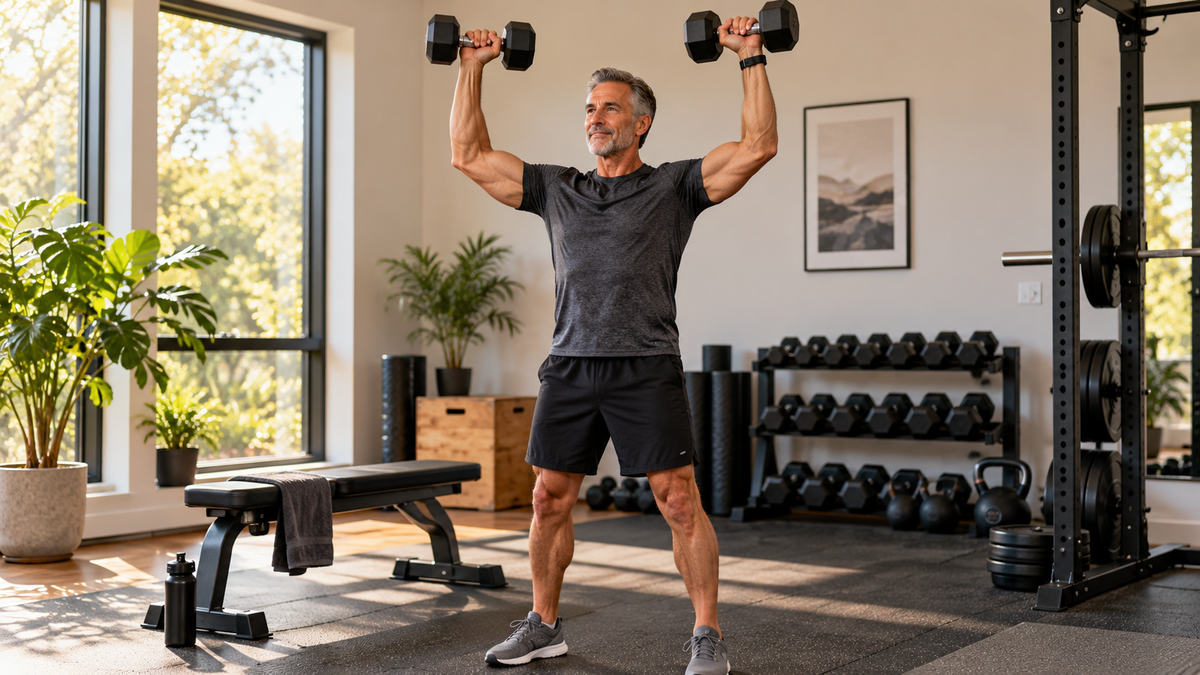
- horizontal or vertical push
- horizontal or vertical pull
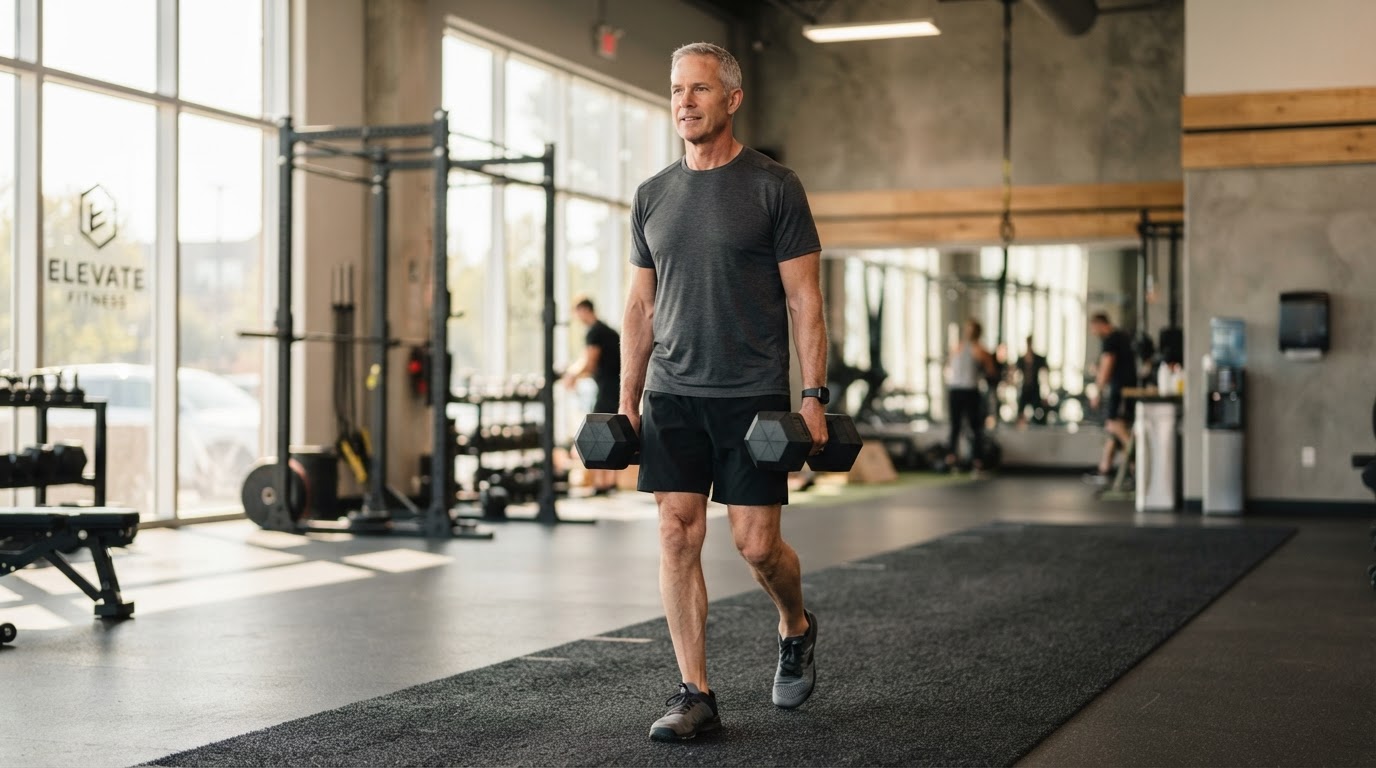
- carry
- single-leg or step-up work
Exercises are tools. You do not need a specific exercise if another movement trains the same pattern more comfortably and safely for you. Our compound-exercise guide shows how to choose high-return movements without forcing a single “must-do” exercise.
Sets, Reps and Effort
There is no single perfect rep range. For general strength and muscle, moderate rep ranges are practical because they allow useful resistance without requiring maximal loads.
Start with a manageable amount of work, leave a few good repetitions in reserve, and build from there. New or returning lifters rarely need to train to failure.
How Progressive Overload Works
Progress means gradually asking your body to do a little more. That can mean more repetitions, slightly more resistance, better range of motion, cleaner technique, or more total quality work.
The progression should be small enough that the next workout remains realistic. Large jumps create impressive single sessions; steady progression creates durable strength.
Home Training vs. Gym Training
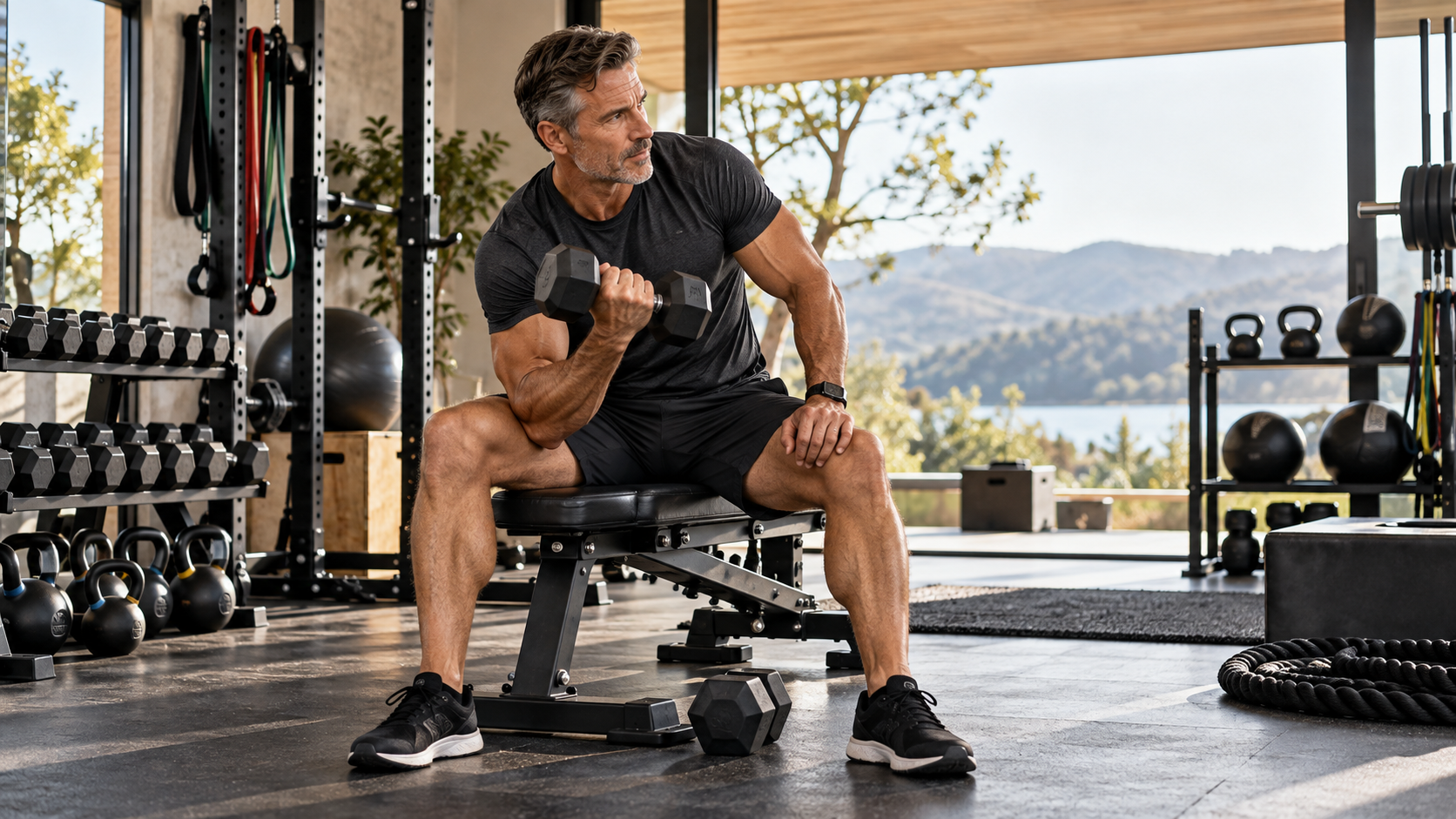
Both can work. A gym offers more machines and loading options. Home training removes travel and makes consistency easier for many busy men.
If you train at home, prioritize equipment that gives you several resistance levels and multiple exercise options. Our home strength-training equipment guide explains what earns its place.
Recovery and Rest Days
Training creates the stimulus; recovery lets you adapt to it. Sleep, food, stress, work demands, and the total amount of training all affect how ready you are for the next session.
Read our pillar guide on recovery after 50 for a deeper framework.
Mobility and Strength
Strength and mobility support each other. You need enough range of motion to perform the movements you choose, and enough strength to control that range.
Our Mobility After 50 guide explains how to keep mobility work practical rather than turning it into a separate hour-long workout.
Nutrition and Protein
Resistance training works best when your overall nutrition supports it. Adequate energy, sufficient protein, and a varied diet all matter.
If protein intake is your main question, start with Protein for Men Over 50.
Common Mistakes After 50
- trying to restart at your old training volume
- changing exercises constantly instead of progressing them
- training through persistent pain
- confusing soreness with effectiveness
- adding days before improving consistency
- ignoring sleep and recovery
The common theme is doing too much too quickly instead of building capacity gradually. If knee discomfort changes how you train, see our Strength Training With Bad Knees After 50 guide for exercise and range-of-motion modifications.
A Simple 4-Week Starting Framework
Weeks 1–2: use two full-body sessions, modest resistance, and stop each set with several good repetitions left. Weeks 3–4: keep the same exercises and add small amounts of work only where technique and recovery are solid.
After four weeks, evaluate consistency, joint comfort, performance, and recovery before adding complexity.
When to Get Professional Guidance
Get qualified guidance if you have significant medical conditions, unexplained symptoms, major balance limitations, a recent surgery, an acute injury, or persistent pain that changes how you move.
Join the TrueMontis Newsletter
Get practical guidance on strength, recovery, mobility, supplements, nutrition, and staying capable after 50.