Why a Weight Bench Changes a Home Gym
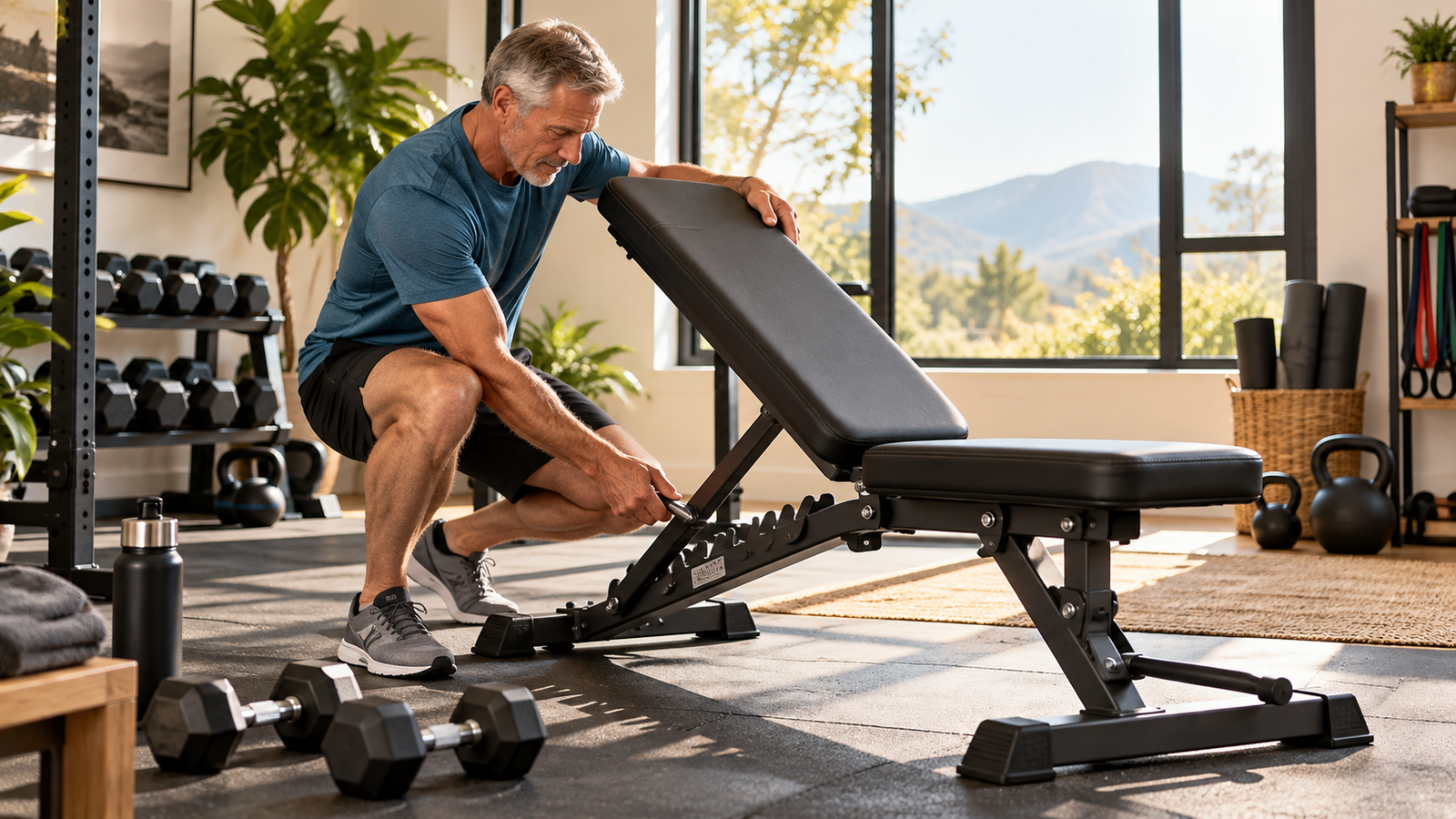
A bench opens up flat presses, incline presses, supported rows, seated shoulder work, split squats, step-ups and many other exercises from one piece of equipment.
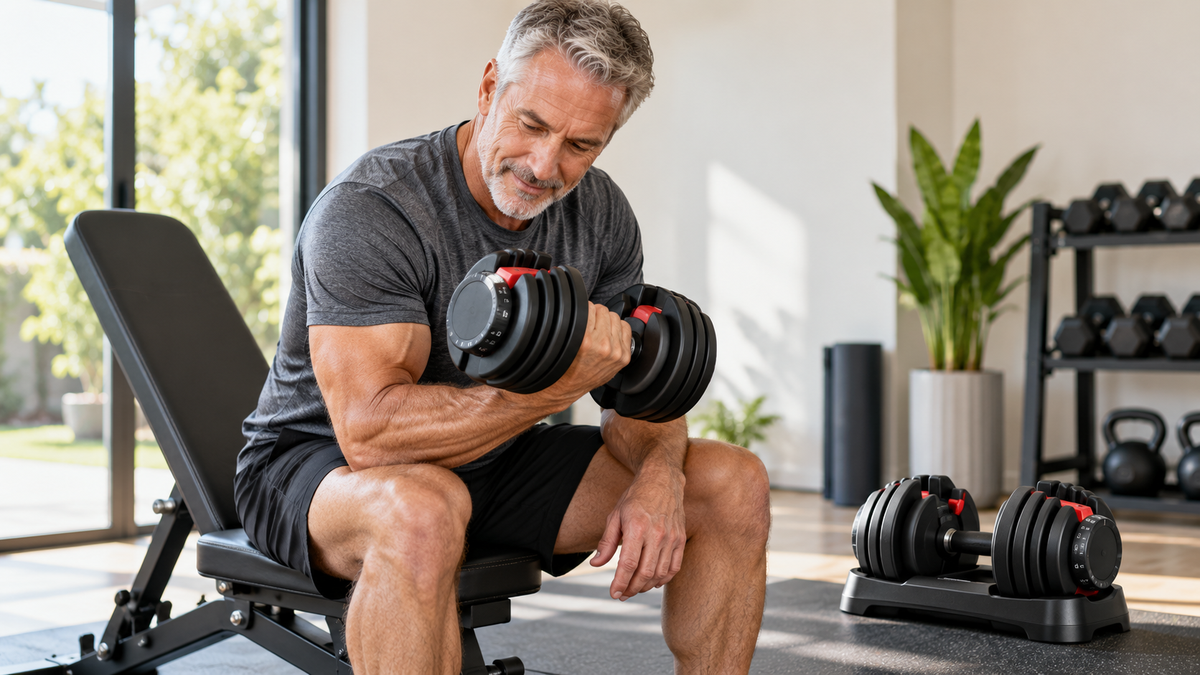
That makes it one of the highest-value additions after dumbbells or resistance bands. If dumbbells are your main training tool, pair the bench decision with our dumbbell exercise guide for men over 50.
Flat vs Adjustable Bench
Flat Bench
Simpler, lighter, less expensive and often extremely stable. Best when you mostly press flat, perform supported rows or want a sturdy platform.
Adjustable Bench
More versatile because it supports incline and, on some models, decline positions. The tradeoff is more weight, more moving parts and usually higher cost.
Choose a Weight Bench by Your Situation
If You Are a Beginner
Prioritize stability, simple adjustment and a moderate price over advanced attachments.
If You Train in a Small Apartment
Look for folding or upright-storage designs and measure the full footprint before buying.
If You Lift Heavier
Frame rigidity, pad stability and higher capacity should matter more than foldability.
If You Only Use Dumbbells
An adjustable bench usually provides the best exercise variety without needing a rack.
If Getting Up and Down Is a Concern
Bench height, stability and a secure base become especially important.
1. Stability
Stability is the first buying criterion. Current tested guides consistently reject benches that wobble, slide or shift under load.
Base width, frame construction, floor contact and the quality of the adjustment mechanism all affect stability. A high weight rating alone does not guarantee a planted feel.
2. Weight Capacity
Weight capacity generally includes your body weight plus the load you are lifting. Leave sensible headroom instead of training close to the stated maximum.
If you weigh 200 pounds and press heavy dumbbells or a loaded barbell, a higher-capacity bench gives more margin and often comes with a more rigid frame.
3. Pad Height
Many quality home benches sit around 17 to 18 inches high in the flat position. That height works well for many lifters because the feet can stay planted during pressing.
Very tall benches can make leg drive or stable foot contact harder for shorter users.
4. Pad Width and Length
Pad width should support the shoulders without interfering with arm movement. Very narrow pads may feel unstable, while excessively wide pads can restrict some pressing motions.
Taller users should also check back-pad length so the head and upper back remain supported.
5. Seat-to-Back Pad Gap
Adjustable benches have a gap between the seat and back pad. Current buying guides repeatedly flag this as a comfort issue in the flat position.
A smaller gap or zero-gap mechanism usually feels better during flat pressing and supported work.
6. Adjustment Angles
You do not need dozens of angles. Flat plus several useful incline positions covers most home strength training.
Around 30 to 45 degrees is useful for incline pressing, while a more upright position supports shoulder pressing and seated work.
7. Adjustment Mechanism
Ladder-style systems are fast and simple. Pop-pin systems can offer fine control but may take longer to adjust.
The best mechanism is the one that locks securely and is easy enough that you actually change positions during a workout.
8. Storage and Portability
Some benches fold, some store upright and some are too heavy to move often. Wheels and a front handle make a major difference if the bench has to move between workouts.
9. Padding and Upholstery
Very soft padding can feel comfortable initially but less stable under load. Firmer high-density padding usually provides better support for pressing.
Look for upholstery that grips clothing instead of letting you slide during incline work.
10. Budget and Value
More expensive benches can offer heavier frames, smaller pad gaps, better wheels, thicker upholstery and longer warranties.
Spend for the features you use. A premium decline system has little value if you never decline the bench.
Best Weight Bench Type for Beginners Over 50
A stable flat-incline bench is usually enough. Avoid complicated benches with many attachments until you know which exercises you actually enjoy and repeat.
Best Weight Bench Type for Small Spaces
Prioritize folding or vertical-storage designs, wheels and a manageable bench weight. Measure both the training footprint and the storage footprint.
Best Weight Bench Type for Heavier Lifting
Choose a heavier, more rigid bench with substantial capacity, minimal wobble and a stable pad. Portability becomes less important than frame integrity.
Best Weight Bench for Dumbbell-Only Training
An adjustable bench pairs especially well with dumbbells because it adds incline pressing, shoulder pressing and chest-supported rows without requiring a rack.
See our adjustable dumbbell buying guide.
If Comfort and Joint Positioning Matter
Look for stable foot contact, a supportive pad, useful incline angles and an adjustment mechanism that does not force awkward setup positions.
Do You Need Decline?
Most home trainees do not need decline. It is useful for decline pressing and some core work, but flat and incline positions cover more common exercises.
Do You Need Attachments?
Leg developers, preacher pads and other attachments add variety but also increase space, complexity and cost.
Add them only when they replace a piece of equipment or exercise you know you will use.
Using a Bench With Dumbbells or Resistance Bands
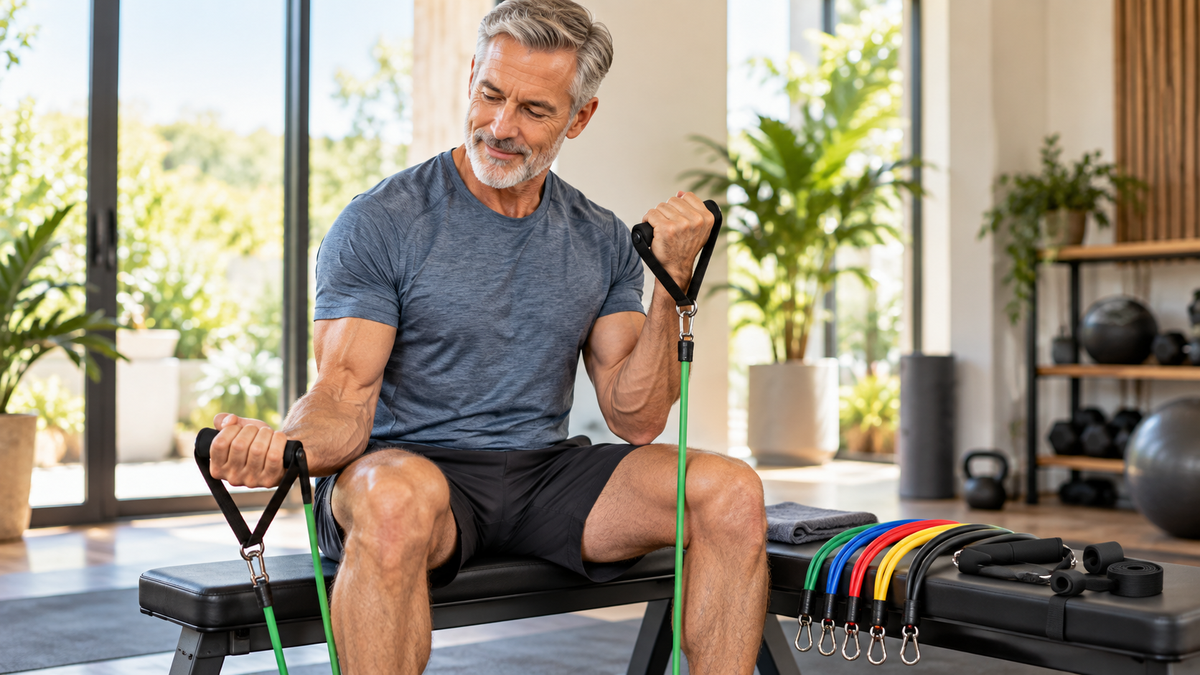
Dumbbells create the most direct pairing, but bands can also be anchored around or behind a bench when the manufacturer and setup allow it safely.
For band selection, see our resistance band buying guide.
Where Future Product Comparisons Will Fit
Specific bench comparisons can later use the same criteria: stability, capacity, pad height, pad width, gap, adjustment range, mechanism, storage, bench weight, warranty and delivered price.
Weight Bench Red Flags
- noticeable wobble in the flat or incline position
- unclear total weight capacity
- large seat-to-back gap with poor flat-position comfort
- very narrow base on a tall or heavy bench
- no published warranty or replacement-part policy
- folding mechanisms that do not lock securely
Common Weight Bench Buying Mistakes
- buying by maximum capacity alone
- ignoring bench height and pad dimensions
- buying decline when you never use it
- forgetting to measure storage space
- choosing a bench that is too heavy to move in a shared room
- adding attachments before confirming you will use them
Join the TrueMontis Newsletter
Get practical guidance on strength, recovery, mobility, supplements, nutrition, and staying capable after 50.