
Do You Actually Need Protein Powder After 50?
No. Protein powder is a concentrated, convenient protein source. If meals already provide enough protein, adding a shake is optional. For the broader decision framework around supplements, start with Supplements for Men Over 50.
It becomes useful when breakfast is low in protein, work makes meals inconsistent, appetite is limited, chewing or meal preparation is difficult, or training raises your target. Think of powder as a gap-filler. Our daily protein guide explains how to estimate that gap.
What to Look For Before You Buy
Start with six questions: How much actual protein is in one serving? What is the protein source? Does it provide a complete essential-amino-acid profile? Do you tolerate it? Is the ingredient list transparent? Is there credible independent quality verification?
Do not assume a product is better because it contains more ingredients. A simple powder that reliably supplies high-quality protein may be more useful than a large “muscle matrix” with unclear amounts.
Protein Powder Types at a Glance
These are the main protein-powder categories consumers are likely to encounter. Digestion speed is approximate and should not be treated as a ranking by itself.
| Protein Type | Digestion Pattern | Main Strength | When It Fits | Main Limitation |
|---|---|---|---|---|
| Whey concentrate | Fast | Complete, leucine-rich, usually good value | Training and general daily use | Contains dairy; more lactose than isolate |
| Whey isolate | Fast | High protein concentration, usually less lactose | Training; lower-lactose preference | Usually costs more |
| Whey hydrolysate | Very fast / partially pre-digested | Rapid amino-acid availability | Specialized use when rapid digestion matters | Often expensive; usually unnecessary |
| Casein | Slow | Prolonged amino-acid release | Long gaps between meals; bedtime | Dairy; slower is not automatically better |
| Milk protein | Mixed fast + slow | Naturally combines whey and casein | General use; meal-replacement context | Dairy |
| Egg white | Moderate | Complete animal protein without dairy | Dairy-free animal-protein option | Egg allergy; often pricier |
| Soy isolate | Moderate-fast | Complete plant protein | Vegan or dairy-free | Taste/tolerance preferences |
| Pea | Moderate | Good plant option, often easy to formulate | Vegan or dairy-free | Single-source amino-acid balance is less ideal than a blend |
| Rice | Moderate | Simple plant option | Vegan or dairy-free | Usually better paired with another plant protein |
| Pea + rice blend | Moderate | More balanced plant amino-acid profile | Plant-based muscle support | May require a larger serving than whey |
| Beef protein isolate | Moderate | Dairy-free animal-derived option | Avoiding dairy and eggs | Processing and amino-acid profile vary by product |
| Hemp | Moderate | Plant-based with fiber and other food components | Whole-food-style plant option | Lower protein density and leucine |
| Collagen / bone-broth style protein | Varies | Rich in collagen peptides | Separate connective-tissue use case | Not a complete muscle-focused protein replacement |
Whey concentrate
Digestion: Fast
Main strength: Complete, leucine-rich, usually good value
When it fits: Training and general daily use
Main limitation: Contains dairy; more lactose than isolate
Whey isolate
Digestion: Fast
Main strength: High protein concentration, usually less lactose
When it fits: Training; lower-lactose preference
Main limitation: Usually costs more
Whey hydrolysate
Digestion: Very fast / partially pre-digested
Main strength: Rapid amino-acid availability
When it fits: Specialized use when rapid digestion matters
Main limitation: Often expensive; usually unnecessary
Casein
Digestion: Slow
Main strength: Prolonged amino-acid release
When it fits: Long gaps between meals; bedtime
Main limitation: Dairy; slower is not automatically better
Milk protein
Digestion: Mixed fast + slow
Main strength: Naturally combines whey and casein
When it fits: General use; meal-replacement context
Main limitation: Dairy
Egg white
Digestion: Moderate
Main strength: Complete animal protein without dairy
When it fits: Dairy-free animal-protein option
Main limitation: Egg allergy; often pricier
Soy isolate
Digestion: Moderate-fast
Main strength: Complete plant protein
When it fits: Vegan or dairy-free
Main limitation: Taste/tolerance preferences
Pea
Digestion: Moderate
Main strength: Good plant option, often easy to formulate
When it fits: Vegan or dairy-free
Main limitation: Single-source amino-acid balance is less ideal than a blend
Rice
Digestion: Moderate
Main strength: Simple plant option
When it fits: Vegan or dairy-free
Main limitation: Usually better paired with another plant protein
Pea + rice blend
Digestion: Moderate
Main strength: More balanced plant amino-acid profile
When it fits: Plant-based muscle support
Main limitation: May require a larger serving than whey
Beef protein isolate
Digestion: Moderate
Main strength: Dairy-free animal-derived option
When it fits: Avoiding dairy and eggs
Main limitation: Processing and amino-acid profile vary by product
Hemp
Digestion: Moderate
Main strength: Plant-based with fiber and other food components
When it fits: Whole-food-style plant option
Main limitation: Lower protein density and leucine
Collagen / bone-broth style protein
Digestion: Varies
Main strength: Rich in collagen peptides
When it fits: Separate connective-tissue use case
Main limitation: Not a complete muscle-focused protein replacement
Which Protein Digests Fastest — and Does That Make It Better?
Whey is generally considered a fast-digesting protein, and hydrolyzed whey is processed further so peptides are already partly broken down. Casein is slower and produces a more prolonged amino-acid appearance after a meal. Egg, soy and many plant proteins fall between those extremes.
Faster does not automatically mean better. Around resistance training, a rapidly digested, leucine-rich protein such as whey is convenient. During a long gap between meals or before an overnight fast, casein's slower pattern can be useful. For an older adult who simply needs more daily protein, total intake and meal distribution usually matter more than chasing the fastest digestion speed.
Whey Concentrate vs Isolate vs Hydrolysate
All three come from milk and provide complete protein. Whey concentrateretains more lactose, fat and other milk components and is often the value option. Whey isolate is processed to contain a higher proportion of protein and generally less lactose and fat. Hydrolyzed whey is partially broken down into smaller peptides and is marketed for rapid digestion.
For most people, concentrate makes sense when value and dairy tolerance are good, isolate when lower lactose or higher protein density matters, and hydrolysate only when the extra processing solves a specific need worth paying for.
Whey Concentrate
Best for: People who tolerate dairy well and want a complete, leucine-rich protein at a lower cost.
Why choose it: It usually gives strong protein value and keeps more of the natural milk components than isolate.
Avoid if: You have a milk allergy, significant lactose intolerance, or need a dairy-free protein.
Trade-off: It normally contains more lactose and slightly less protein per calorie than whey isolate.
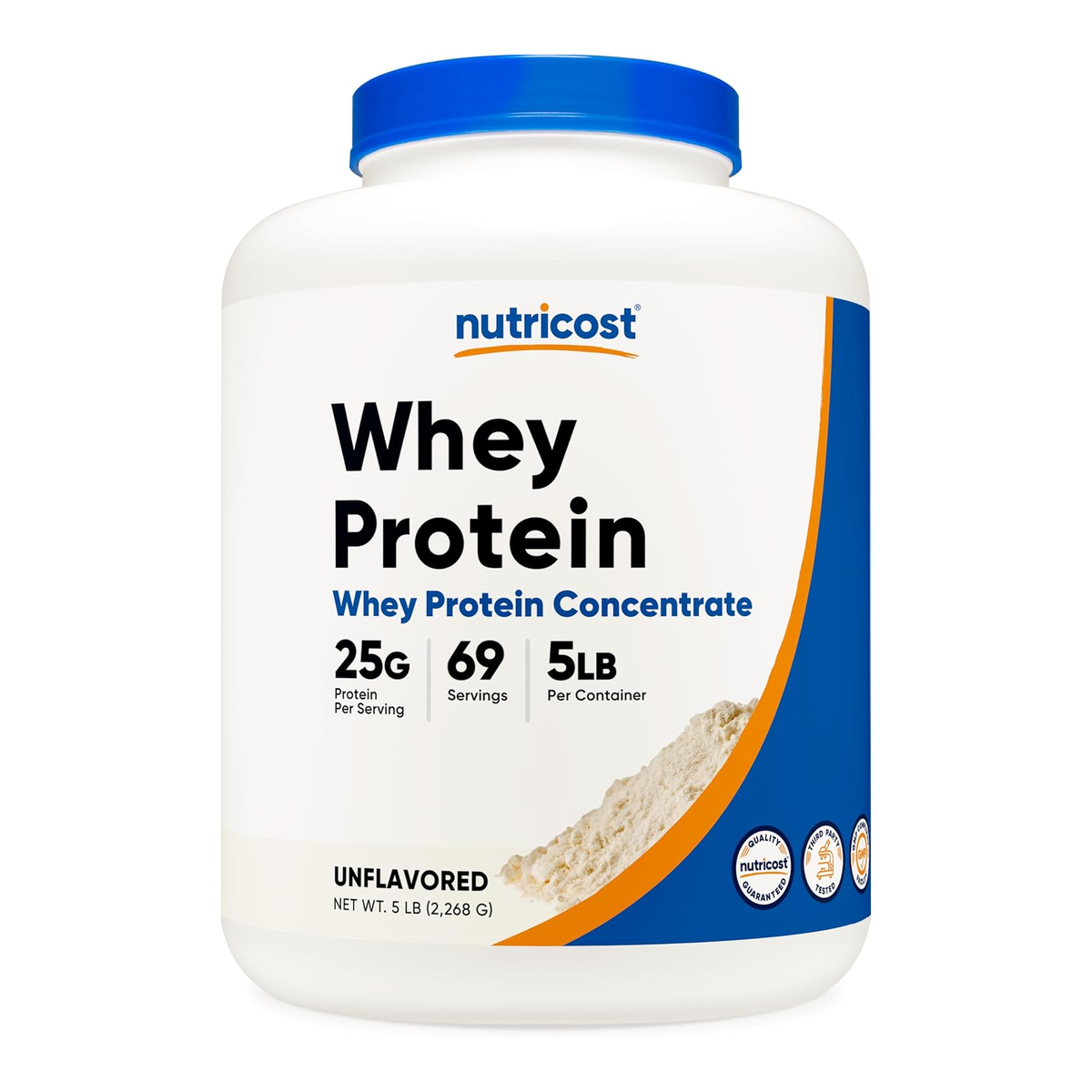
Nutricost Whey Protein Concentrate
Best For: Whey concentrate valueA straightforward whey concentrate option for people who tolerate dairy and want a complete protein at a generally lower cost than isolate.
Why choose it: A complete, leucine-rich dairy protein that is usually more budget-friendly than whey isolate.
Avoid if: You have a milk allergy, significant lactose intolerance, or need a dairy-free protein.
- Whey protein concentrate
- Complete dairy protein
Trade-off: Whey concentrate typically contains more lactose and milk components than whey isolate.
TrueMontis may earn a commission from qualifying purchases at no additional cost to you. As an Amazon Associate I earn from qualifying purchases.
Whey Isolate
Best for: People who want whey with less lactose and a higher protein concentration.
Why choose it: It keeps the fast-digesting, complete amino-acid profile of whey while removing more lactose, fat and carbohydrate.
Avoid if: You have a true milk allergy. Lower lactose does not make whey isolate dairy-free.
Trade-off: It usually costs more than concentrate, and the extra processing may not provide a meaningful benefit if regular whey is already well tolerated.
Product example: View Dymatize ISO100 in our Top Picks. We link back to the Top Pick instead of repeating the same product card here.
Whey Hydrolysate
Best for: People with a specific reason to prefer a partially pre-digested whey.
Why choose it: The protein is broken into smaller peptides, which can speed digestion.
Avoid if: You have a milk allergy or are choosing it only because 'faster' sounds automatically better.
Trade-off: It is often the most expensive whey form and is unnecessary for most users.
Product example: View Dymatize ISO100 in our Top Picks. It is a hydrolyzed whey protein isolate, so it represents both the isolate and hydrolysate discussion without repeating the same product image twice.
Casein Protein
Casein is the major slow-digesting protein in milk. It creates a more gradual amino-acid release than whey and is often thicker when mixed.
It can make sense before a long period without food, including overnight, or when a more filling shake is preferred. It is not automatically superior for muscle growth; total daily protein and resistance training still dominate the decision.
Best for: People who tolerate dairy and want a slower-digesting protein for long gaps between meals or before bed.
Why choose it: Casein releases amino acids more gradually than whey and often produces a thicker, more filling shake.
Avoid if: You have a milk allergy or significant dairy intolerance.
Trade-off: It digests more slowly and may feel heavier than whey; slower digestion is not automatically better for muscle gain.
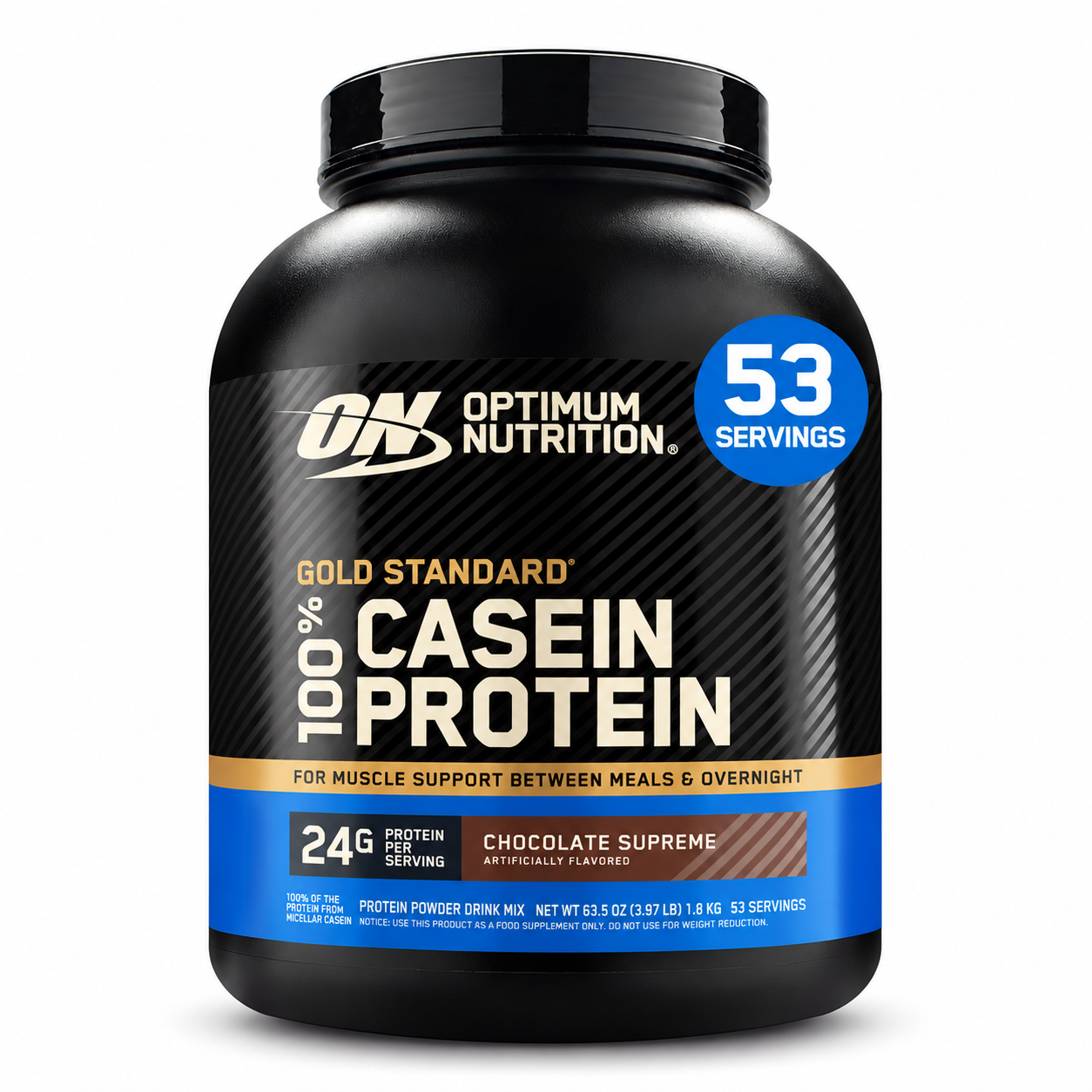
Optimum Nutrition Gold Standard 100% Casein — Chocolate Supreme
Best For: Slow-digesting dairy proteinA slow-digesting micellar casein protein with 24 g of protein per serving for longer gaps between meals or overnight use.
Why choose it: Casein releases amino acids more gradually than whey and can be useful before a long period without food.
Avoid if: You have a milk allergy or significant dairy intolerance.
- 24 g protein per serving
- 120 calories per serving
Trade-off: It is thicker and slower-digesting than whey, and slower digestion is not automatically better for muscle gain.
TrueMontis may earn a commission from qualifying purchases at no additional cost to you. As an Amazon Associate I earn from qualifying purchases.
Milk Protein Blends
Milk protein concentrate or isolate naturally contains both casein and whey, giving a mixture of faster and slower digestion. Some meal-replacement and general nutrition products use this combination.
It is a practical all-purpose option when dairy is well tolerated and you do not need the very low lactose profile of a whey isolate.
Best for: People who tolerate dairy and want a natural mix of fast-digesting whey plus slower-digesting casein.
Why choose it: It offers a broad digestion pattern in one product and can fit general nutrition or meal-replacement use.
Avoid if: You have a milk allergy or significant lactose intolerance.
Trade-off: It is less specialized than pure whey isolate for low-lactose use and less slow-digesting than pure casein.
Product example: View Premier Protein Chocolate Shake below. Its formula uses milk-derived proteins, so it is a practical example of this category without repeating the same product card here.
Egg White Protein
Egg white protein is a complete animal protein that contains all essential amino acids and avoids dairy. It can be useful when whey and casein do not fit because of lactose, dairy preference or intolerance.
It is not clearly better than whey for resistance training, but it is one of the strongest dairy-free animal-protein alternatives. People with egg allergy should avoid it.
Best for: People avoiding dairy who still want a complete animal-based protein.
Why choose it: Egg white protein is naturally dairy-free and supplies all essential amino acids without whey or casein.
Avoid if: You have an egg allergy or follow a vegan diet.
Trade-off: It is often more expensive than whey and may be less creamy or convenient than dairy-based powders.
Egg white vs soy: choose egg white when you want a complete animal protein without dairy and tolerate eggs. Choose soy when you want a complete plant protein and need to avoid both dairy and egg.
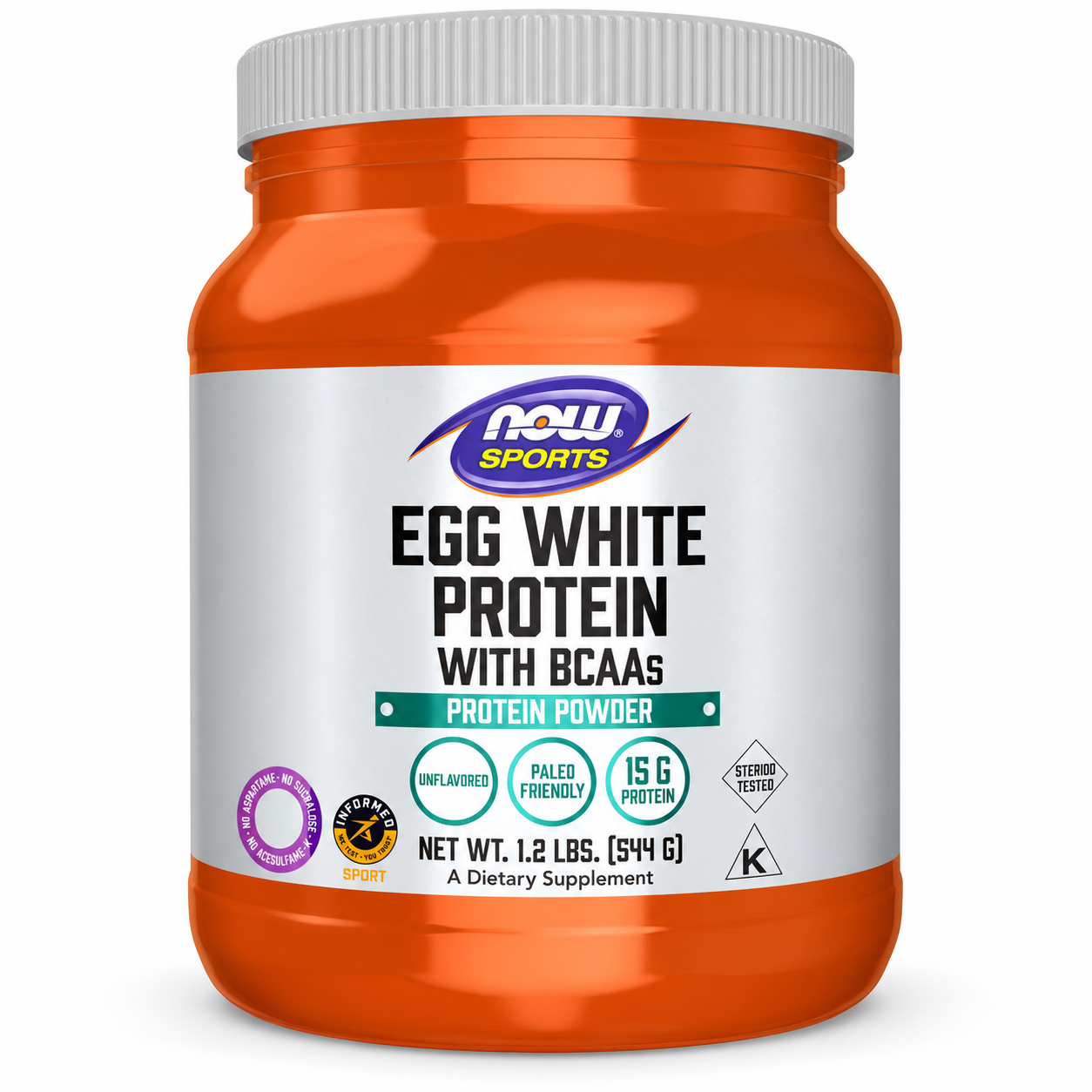
NOW Sports Egg White Protein
Best For: Dairy-free animal proteinA dairy-free animal protein option for people who want a complete protein without whey or casein.
Why choose it: Egg white protein supplies all essential amino acids and avoids dairy, making it a practical alternative to whey and casein.
Avoid if: You have an egg allergy or follow a vegan diet.
- 15 g protein per serving
- Dairy-free animal protein
Trade-off: It is often more expensive than whey and may be less creamy or convenient than dairy-based powders.
TrueMontis may earn a commission from qualifying purchases at no additional cost to you. As an Amazon Associate I earn from qualifying purchases.
Soy Protein
Soy protein isolate is a complete plant protein, meaning it supplies all essential amino acids. It is one of the most practical single-source plant proteins for people who avoid dairy.
Whey generally provides more leucine per gram, but soy can still support protein needs when total dose and daily intake are adequate.
Best for: People avoiding dairy and eggs who want a complete plant-based protein.
Why choose it: Soy supplies all essential amino acids in a single plant source and is a practical alternative to animal proteins.
Avoid if: You have a soy allergy or prefer to avoid soy products.
Trade-off: It generally provides less leucine per gram than whey and some people prefer the taste or digestion of other plant proteins.
Soy vs egg white: soy is the better fit for a vegan or plant-based diet; egg white is the better fit when you prefer an animal-derived complete protein but need to avoid dairy. The deciding factor is usually diet preference and allergy tolerance, not a blanket claim that one is superior.
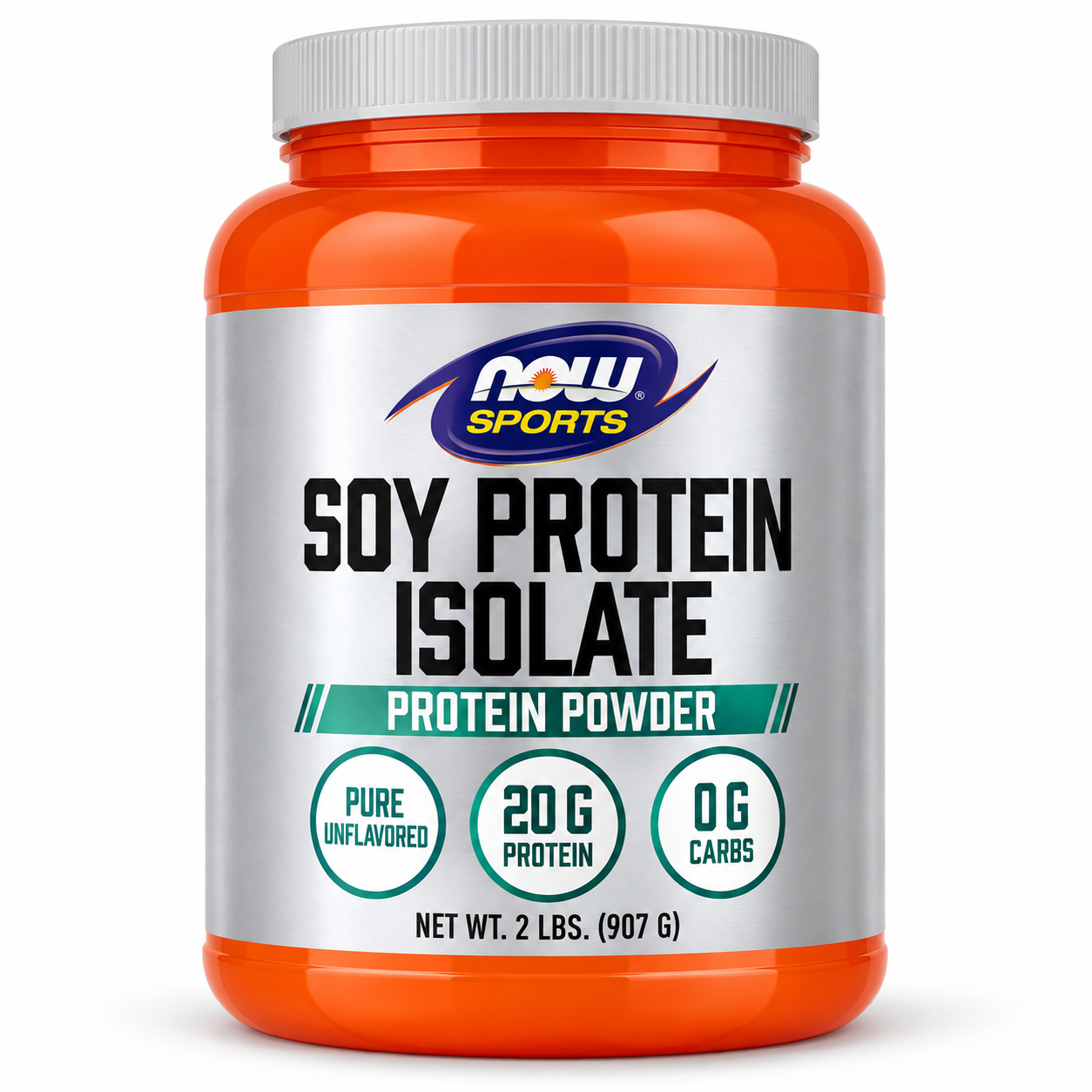
NOW Sports Soy Protein Isolate
Best For: Complete plant proteinA complete plant protein option for people who want a single-source dairy-free protein.
Why choose it: Soy provides all essential amino acids in one plant source and can be a practical alternative to dairy and egg proteins.
Avoid if: You have a soy allergy or prefer to avoid soy products.
- 20 g protein per serving
- 0 g carbohydrate per serving on current label
Trade-off: Soy generally provides less leucine per gram than whey, and some people prefer the taste or digestion of other plant proteins.
TrueMontis may earn a commission from qualifying purchases at no additional cost to you. As an Amazon Associate I earn from qualifying purchases.
Pea Protein
Pea protein is widely used in dairy-free powders and can work well as part of a plant-based diet. Its amino-acid pattern is not identical to dairy or egg proteins.
It is especially useful in blends with a complementary source such as rice protein.
Best for: People avoiding dairy, egg and soy who want a simple plant-based protein.
Why choose it: Pea protein is widely available, dairy-free and often easy to use in plant-based formulas.
Avoid if: You have a pea or legume allergy.
Trade-off: Its amino-acid balance is less ideal as a single source than whey, egg or soy, so pairing it with another plant protein can improve the profile.
Pea vs soy: choose pea when you need to avoid soy or prefer a simpler soy-free plant source. Choose soy when you want a single-source plant protein with a more complete essential-amino-acid profile.
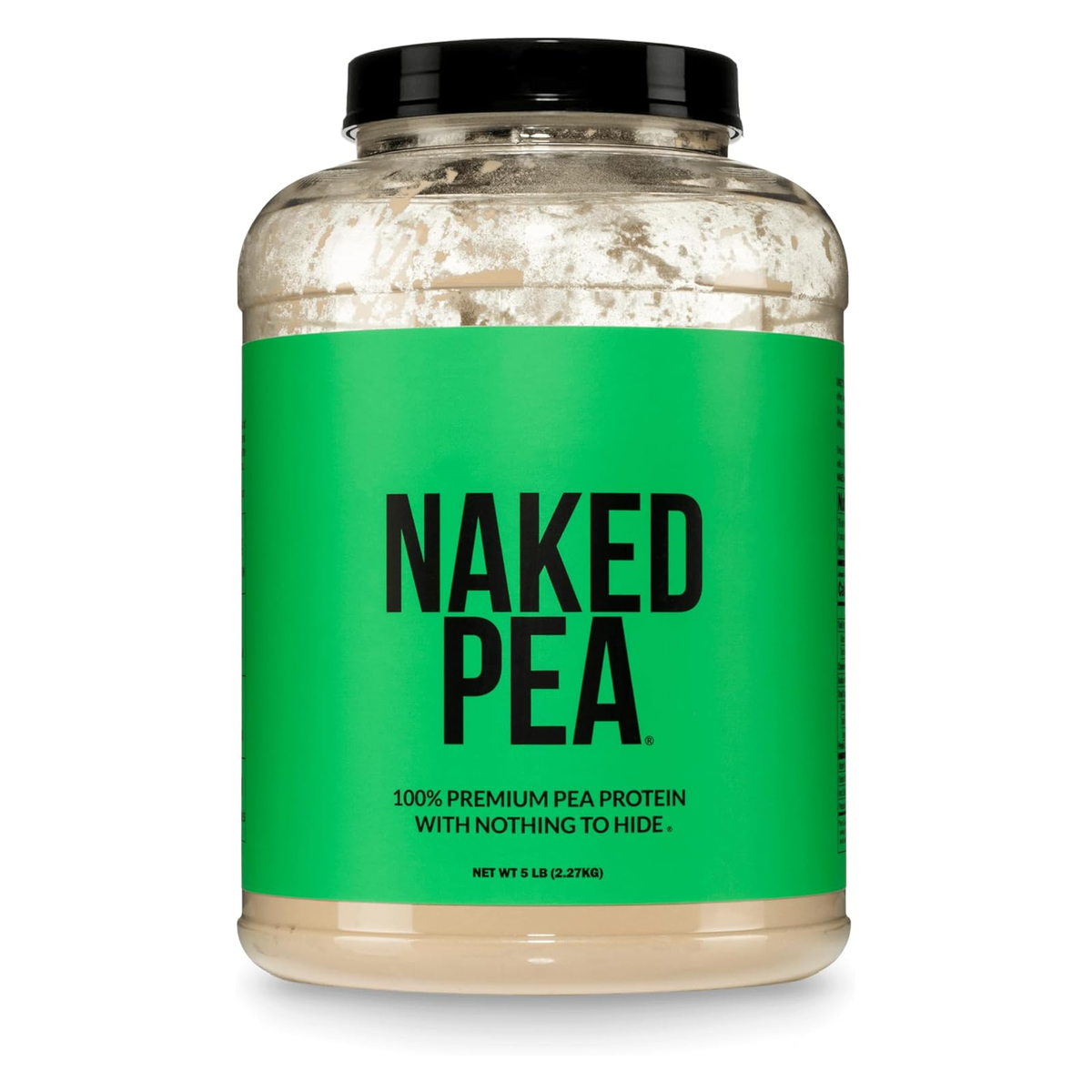
NAKED Pea Protein
Best For: Simple pea proteinA simple pea protein option for people avoiding dairy, egg and soy.
Why choose it: Pea protein is dairy-free and soy-free and can be useful as a straightforward plant-based protein source.
Avoid if: You have a pea or legume allergy.
- 27 g protein per serving
- Single-source yellow pea protein
Trade-off: Its amino-acid profile is less ideal as a single source than whey, egg or soy, so pairing it with another plant protein can improve balance.
TrueMontis may earn a commission from qualifying purchases at no additional cost to you. As an Amazon Associate I earn from qualifying purchases.
Rice Protein
Rice protein is another dairy-free option. On its own, its amino-acid balance is less complete for muscle-focused use than whey, egg or soy.
For that reason, rice is commonly paired with pea protein. The combination can create a more balanced essential-amino-acid profile than relying on either source alone.
Best for: People who need a dairy-free, egg-free and soy-free plant option and tolerate rice well.
Why choose it: Rice protein can be a simple ingredient choice and pairs well with pea protein.
Avoid if: You have a rice allergy or need the strongest single-source amino-acid profile.
Trade-off: Used alone, it is less balanced for muscle-focused use than whey, egg, soy or a well-designed plant blend.
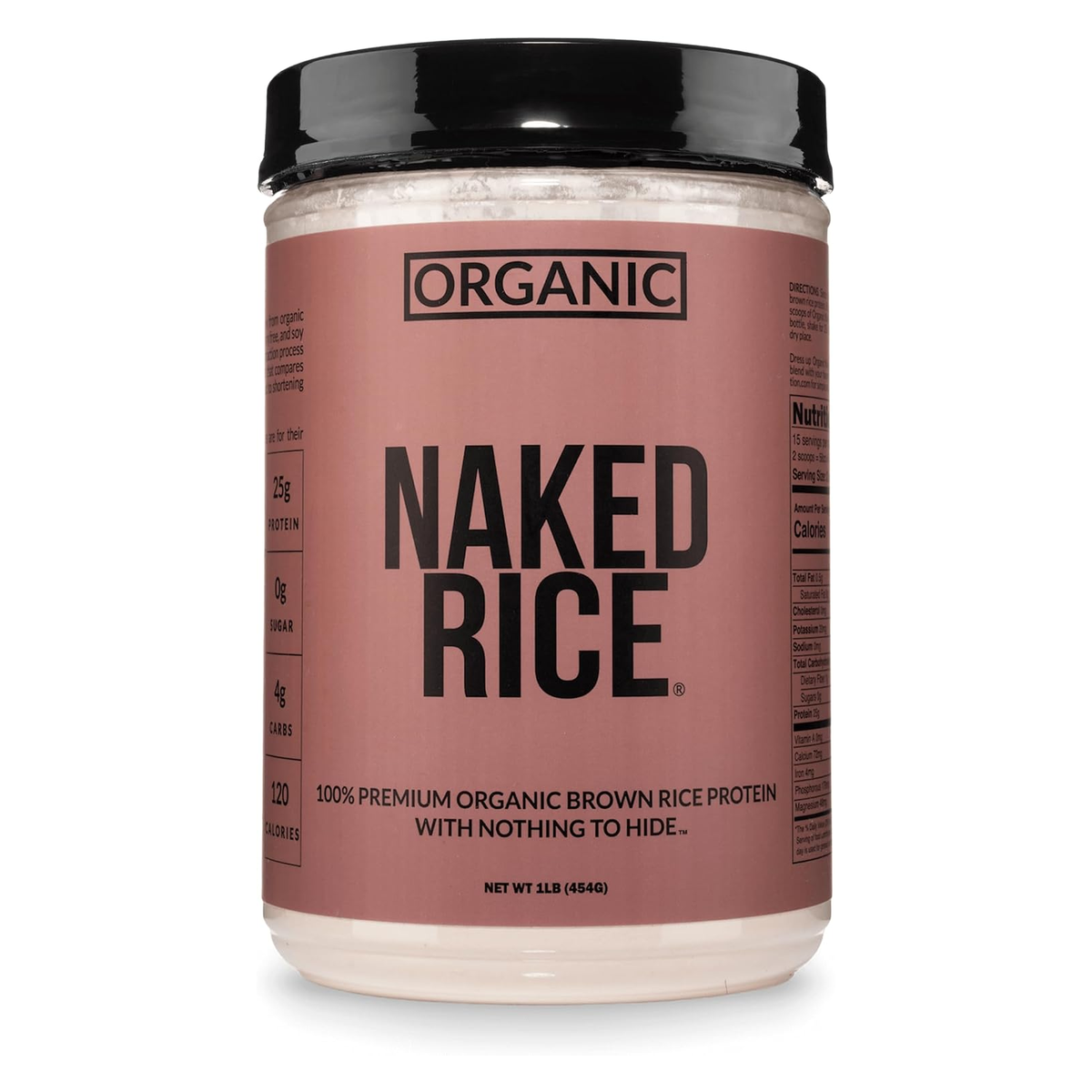
NAKED Rice Organic Brown Rice Protein
Best For: Simple rice proteinA simple organic brown rice protein for people who want a dairy-free, egg-free and soy-free plant option.
Why choose it: A single-source plant protein that can be useful when several common protein sources do not fit.
Avoid if: You have a rice allergy or need the strongest single-source amino-acid profile for muscle-focused use.
- 25 g protein per serving
- 120 calories per serving
Trade-off: Rice protein is less balanced as a single source than whey, egg, soy or a complementary plant blend.
TrueMontis may earn a commission from qualifying purchases at no additional cost to you. As an Amazon Associate I earn from qualifying purchases.
Plant Protein Blends
A well-designed plant blend can combine pea, rice, soy, mung bean or other plant proteins to improve the overall amino-acid profile.
For men over 50 who eat plant-based or cannot tolerate dairy, the label should show enough total protein per serving and a clear protein-source list. A somewhat larger serving may be needed to deliver the same leucine amount as whey.
Best for: People who want a vegan or dairy-free protein with a more balanced amino-acid profile than many single plant sources.
Why choose it: Combining complementary plant proteins can improve essential-amino-acid coverage.
Avoid if: You are allergic to any ingredient in the blend or need a very simple formula for identifying food sensitivities.
Trade-off: Blends may contain more ingredients and can require a larger serving than whey to deliver a similar leucine dose.
Product example: View Orgain Organic Plant-Based Protein + 50 Superfoods in our Top Picks. It represents a multi-source plant-protein approach without repeating the same product card again in this section.
Beef Protein Isolate
Beef-protein powders are marketed as dairy-free animal-protein alternatives. They can be useful for people avoiding milk and eggs, but products vary considerably in processing, ingredients and amino-acid profile.
Read the label carefully. “Beef protein” on the front does not automatically tell you whether the final powder behaves nutritionally like a conventional meat serving.
Best for: People avoiding dairy and eggs who still want an animal-derived protein powder.
Why choose it: It provides a non-dairy animal-protein alternative when whey, casein and egg do not fit.
Avoid if: You avoid beef, follow a vegetarian or vegan diet, or react to ingredients in the specific formula.
Trade-off: Processing and amino-acid composition vary widely between products, so the front-label term 'beef protein' is not enough to judge quality.
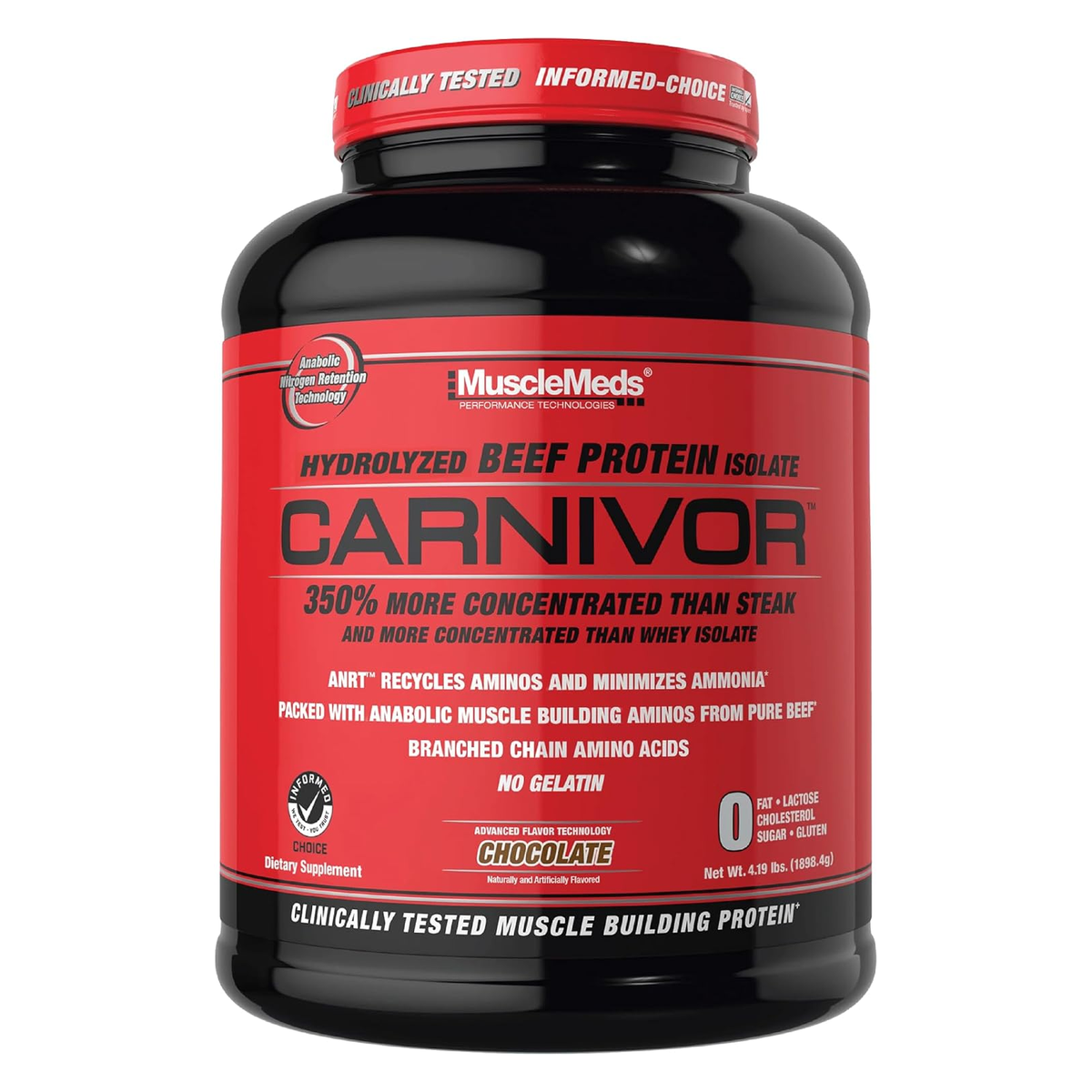
MuscleMeds CARNIVOR Hydrolyzed Beef Protein Isolate — Chocolate
Best For: Dairy-free animal proteinA dairy-free animal-derived protein powder with 23 g of protein per serving.
Why choose it: A non-dairy animal-protein alternative for people who do not want whey, casein, egg or plant protein.
Avoid if: You avoid beef, follow a vegetarian or vegan diet, or react to ingredients in the specific formula.
- 23 g protein per serving
- 120 calories per serving
Trade-off: Beef-protein powders vary widely in processing and amino-acid composition, so the front label alone does not establish equivalence to meat or whey.
TrueMontis may earn a commission from qualifying purchases at no additional cost to you. As an Amazon Associate I earn from qualifying purchases.
Hemp Protein
Hemp protein is a minimally processed plant option that often retains more fiber and other components of the seed. That can be useful for people who prefer a whole-food-style product.
It is generally less protein-dense and lower in leucine than whey, so it is not usually the first choice when maximizing protein per calorie is the main goal.
Best for: People who prefer a minimally processed plant protein with more whole-seed components such as fiber.
Why choose it: Hemp can fit a whole-food-style plant diet and provides more than protein alone.
Avoid if: You have a hemp-seed allergy or need maximum protein density with minimal extra calories.
Trade-off: It is lower in protein density and leucine than whey and many isolates.
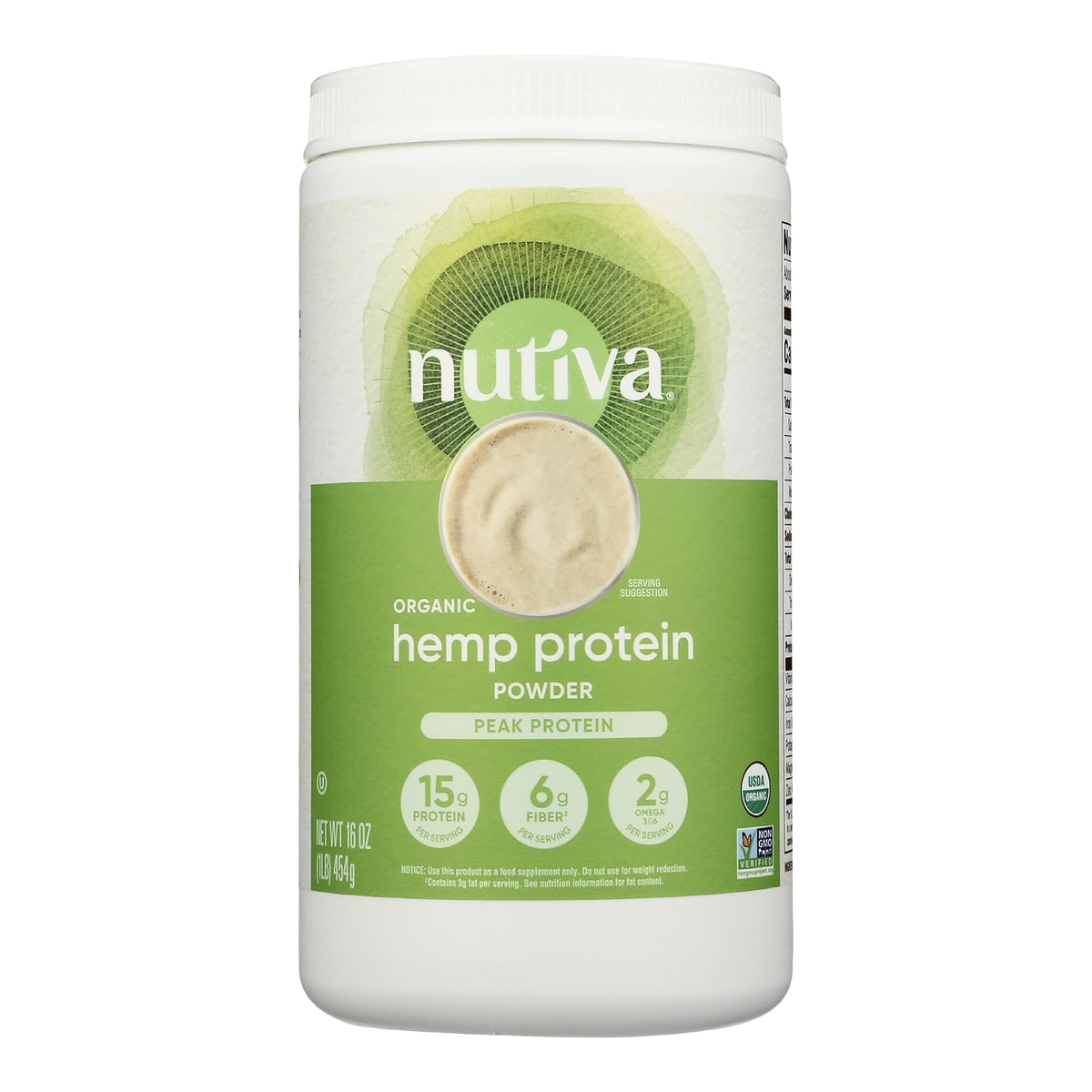
Nutiva Organic Hemp Protein Powder — 16 oz
Best For: Whole-food-style plant proteinA whole-food-style hemp protein with 15 g protein and 6 g fiber per serving.
Why choose it: Hemp retains more fiber and seed components than many isolates and can suit people who prefer a less refined plant powder.
Avoid if: You have a hemp-seed allergy or need maximum protein density with minimal extra calories.
- 15 g protein per serving
- 6 g fiber per serving
Trade-off: Hemp is lower in protein density and leucine than whey and many isolated plant proteins.
TrueMontis may earn a commission from qualifying purchases at no additional cost to you. As an Amazon Associate I earn from qualifying purchases.
Why Collagen Is Different
Collagen peptides and many “bone broth protein” products are rich in amino acids associated with collagen tissue, but collagen does not provide a complete essential-amino-acid profile for muscle protein synthesis.
Do not substitute collagen gram-for-gram for whey, egg, soy or a balanced plant blend when your goal is meeting complete-protein needs for muscle maintenance.
Best for: People using collagen for a separate connective-tissue-focused purpose, not as their main complete protein.
Why choose it: Collagen peptides provide a distinctive amino-acid profile that is different from complete muscle-focused proteins.
Avoid if: You need one powder to serve as your primary complete protein source, or you react to the animal source used in the product.
Trade-off: Collagen is not a complete protein and should not replace whey, egg, soy or a balanced plant blend for meeting muscle-focused essential-amino-acid needs.
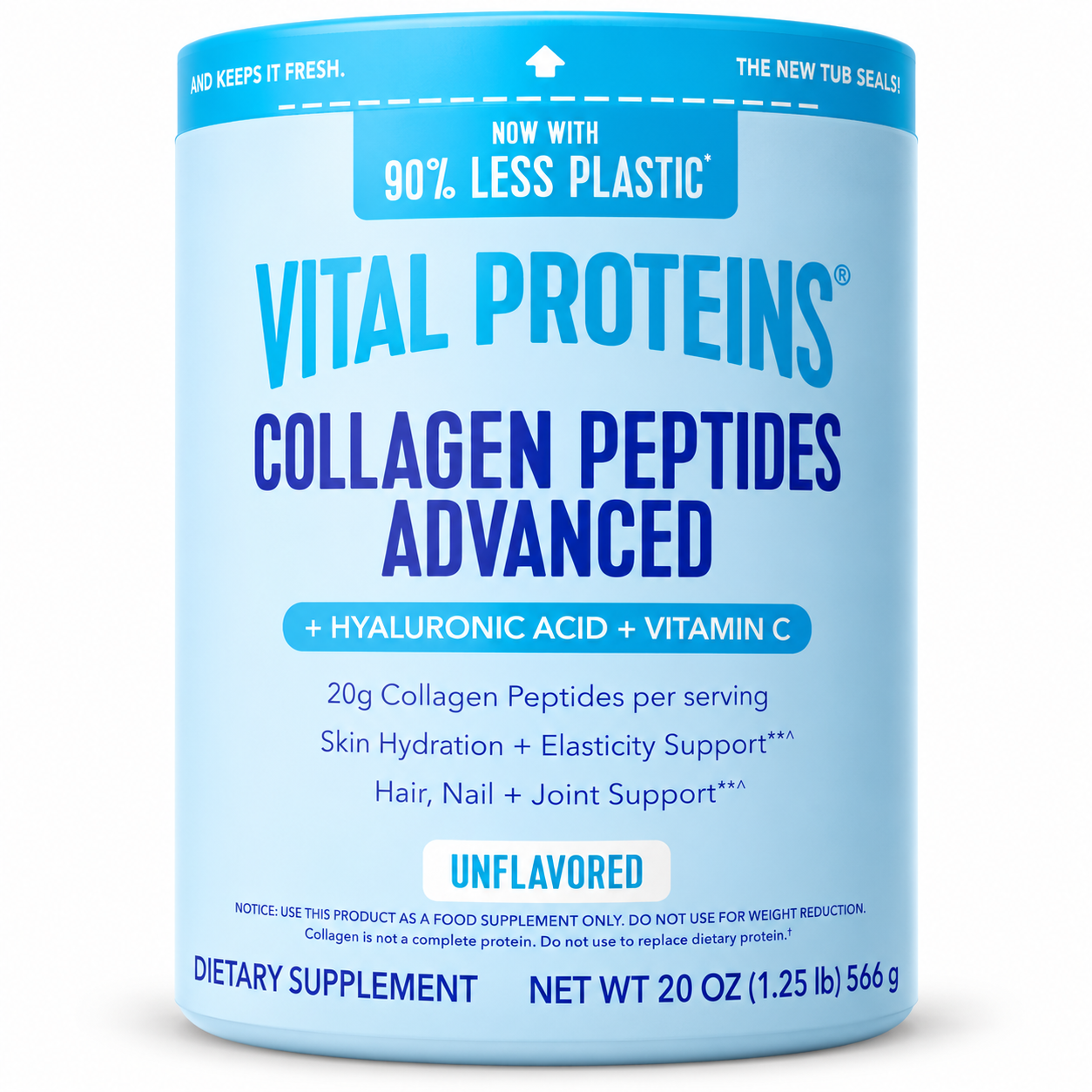
Vital Proteins Collagen Peptides Advanced
Best For: Collagen-specific useA collagen peptide product that should be considered separately from complete muscle-focused proteins.
Why choose it: Collagen provides a distinct amino-acid profile for people seeking a collagen product rather than a complete protein replacement.
Avoid if: You need your powder to serve as your primary complete protein source or you react to the animal source or another ingredient.
- 20 g collagen peptides per serving
- Includes vitamin C and hyaluronic acid
Trade-off: Collagen is not a complete protein and should not replace whey, egg, soy or a balanced plant blend for meeting muscle-focused essential-amino-acid needs.
TrueMontis may earn a commission from qualifying purchases at no additional cost to you. As an Amazon Associate I earn from qualifying purchases.
Best Protein for Men Who Exercise
For resistance training, whey is a strong default because it is complete, rapidly digested and leucine-rich. Whey isolate may be preferable when lower lactose or a higher protein-to-calorie ratio matters.
That does not make whey mandatory. Egg white, soy and well-designed plant blends can also support training when the total serving supplies enough high-quality protein. The combination of resistance training plus adequate total protein matters far more than brand choice.
Best Protein for an Older Adult Who Does Not Exercise
If you are older and not currently resistance training, the goal is different. You are not trying to optimize a narrow post-workout window; you are trying to avoid chronically low protein intake and support normal tissue maintenance.
In that situation, choose a complete protein you tolerate and will actually consume: ordinary milk, a milk-based shake, whey, egg white, soy or a balanced plant blend can all be practical. Appetite, total calories, ease of drinking, medical conditions and the protein content of the rest of your meals matter more than digestion speed alone.
How Often Should You Take Protein?
There is no required number of protein shakes per day. Use a powder or ready-to-drink product only when it helps close a real gap in your normal food intake.
One person may need none. Another may use one serving at breakfast or after training. Someone with a low appetite or difficulty preparing meals may use two strategically. The important number is your total daily protein intake, not the number of bottles or scoops.
In older-adult supplementation trials, benefits have been seen with different dosing schedules, and a recent meta-analysis did not find a clear muscle-mass advantage for one specific supplementation frequency or timing pattern over another. Consistency and adequate total intake are the more useful priorities.
Do You Need to Take Breaks or Cycle Protein?
No routine cycling schedule is required. Protein powder and protein shakes are food-derived protein sources, not stimulants, hormones or medications that require planned “on” and “off” periods.
You can use them daily when they fit your diet, and stop using them whenever food alone covers your needs. A “rest day” from protein powder does not provide a known advantage for a healthy adult simply because the product is a powder or shake.
Possible Side Effects and Who Should Be Careful
Protein itself is not side-effect free for every person, and the finished product matters. Common problems are usually gastrointestinal or ingredient-specific rather than a special effect of “protein powder.”
- Bloating, gas or diarrhea: lactose, very large servings, sugar alcohols or certain gums can contribute.
- Constipation: can occur when a high-protein diet crowds out fiber and fluids.
- Food allergy: milk, soy and egg proteins can trigger serious reactions in people with those allergies.
- Extra calories: shakes added on top of an already adequate diet can raise total calorie intake without solving a real need.
- Kidney disease: people with reduced kidney function may need individualized protein targets and should not substantially increase intake without clinical guidance.
- Multi-ingredient products: added herbs, stimulants, vitamins or minerals create a different safety profile than plain protein.
Stop using a product and seek urgent care for signs of a serious allergic reaction such as trouble breathing, facial or throat swelling, or widespread hives.
Protein Without Powder: Milk and Ready-to-Drink Shakes
Powder is only one delivery format. Regular milk, ultra-filtered milk, shelf-stable high-protein milk, bottled whey shakes and plant-based ready-to-drink shakes can all be practical ways to add protein without mixing a scoop.
This matters especially for older adults who value convenience, have a low appetite, do not want to prepare shakes, or need something easy to drink between meals. A liquid product can also be easier to use when chewing is difficult, although swallowing problems deserve professional evaluation rather than self-treatment.
The trade-off is usually price and flexibility. Ready-to-drink products often cost more per gram of protein, and some include more sugar, sodium, sweeteners or added vitamins than a simple powder.
Best for: People who prioritize convenience, portability or an easy-to-drink protein option without mixing powder.
Why choose it: Ready-to-drink shakes remove preparation and measuring, making them useful for work, travel, after training or low-appetite situations.
Avoid if: You are allergic to the protein source or another listed ingredient; many ready-to-drink shakes contain milk and some also contain soy.
Trade-off: They usually cost more per gram of protein and may include more sodium, sweeteners, gums or added micronutrients than a simple powder.
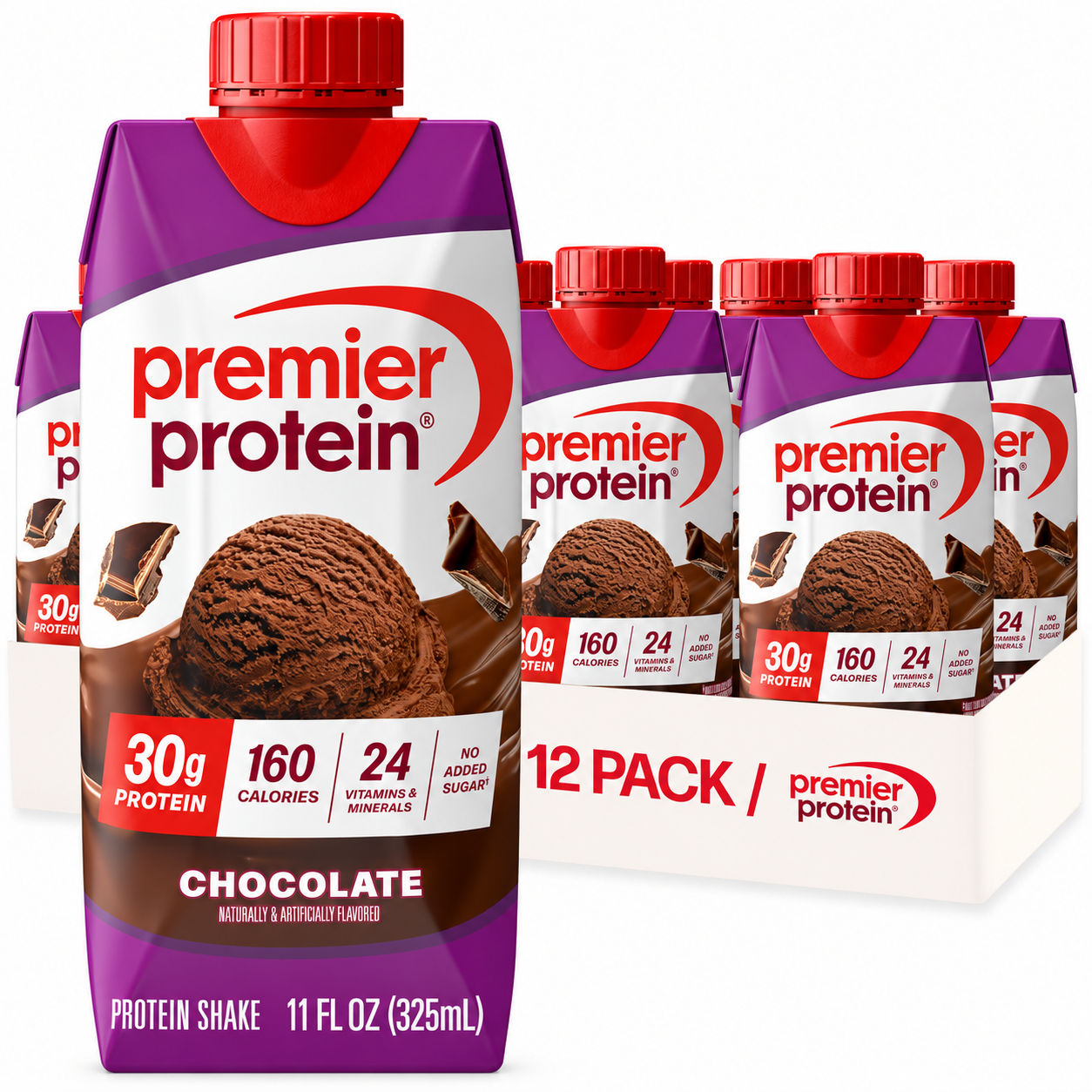
Premier Protein Chocolate Shake - 30g Protein
Best For: Ready-to-drink convenienceA ready-to-drink protein shake for people who prioritize convenience over mixing powder.
Why choose it: No shaker or preparation is required, making it practical for work, travel or busy days.
Avoid if: You have a milk allergy or do not tolerate the dairy ingredients or sweeteners in the formula.
- 30 g protein per shake
- 160 calories per shake
Trade-off: Ready-to-drink shakes usually cost more per serving and offer less flexibility than powder.
TrueMontis may earn a commission from qualifying purchases at no additional cost to you. As an Amazon Associate I earn from qualifying purchases.
How to Choose a Ready-to-Drink Protein
Use the same logic as a powder: check the protein source and actual grams of protein first. Then compare calories, added sugar, saturated fat, sodium, allergens and the rest of the ingredient list.
| Format | Best For | What to Check |
|---|---|---|
| Regular / ultra-filtered milk | Simple daily protein with familiar food | Protein per serving, calories, lactose tolerance |
| High-protein milk drink | Convenience and higher protein in one bottle | Protein source, sugars, calories, price per serving |
| Ready-to-drink whey shake | Post-workout or grab-and-go use | Protein grams, milk allergens, sweeteners, sodium |
| Plant-based RTD shake | Dairy-free or vegan use | Protein blend, total protein, sugar, amino-acid quality |
| Meal-replacement shake | When calories and broader nutrition are also needed | Protein plus calories, fiber, vitamins/minerals; do not confuse it with a pure protein shake |
Regular / ultra-filtered milk
Best for: Simple daily protein with familiar food
What to check: Protein per serving, calories, lactose tolerance
High-protein milk drink
Best for: Convenience and higher protein in one bottle
What to check: Protein source, sugars, calories, price per serving
Ready-to-drink whey shake
Best for: Post-workout or grab-and-go use
What to check: Protein grams, milk allergens, sweeteners, sodium
Plant-based RTD shake
Best for: Dairy-free or vegan use
What to check: Protein blend, total protein, sugar, amino-acid quality
Meal-replacement shake
Best for: When calories and broader nutrition are also needed
What to check: Protein plus calories, fiber, vitamins/minerals; do not confuse it with a pure protein shake
TrueMontis will keep ready-to-drink products in a separate comparison group from powders because the buyer decision is different: convenience, portability and complete nutrition may matter more than cost per scoop.
How Much Protein Should Be in a Serving?
Many useful powders and shakes provide around 20–30 grams of protein per serving. That is not a magic range; the amount you need depends on what the rest of your meal or day provides.
A large scoop or bottle does not necessarily mean more protein. Compare the serving size with the actual grams of protein and remember that flavoring, carbohydrate, fat and other ingredients also contribute to the package size.
How to Read a Protein Label
Check serving size and grams of protein first. Then review calories, carbohydrate, added sugar, fat, sodium, allergens and the ingredient list. Look for the exact protein source rather than vague wording.
Be cautious when a proprietary blend hides individual amounts or when the front label makes claims the nutrition panel does not help you evaluate.
What About Leucine and BCAAs?
Leucine is an essential amino acid involved in signaling muscle protein synthesis, and complete proteins such as whey naturally contain leucine and the other essential amino acids.
A product does not automatically become superior because the label advertises added BCAAs. If the product already provides an adequate amount of high-quality complete protein, isolated BCAAs are usually not the first feature to pay extra for.
Does Protein Build Muscle After 50?
Protein provides raw material; resistance training provides the stimulus. A powder or drink can help when it improves total protein intake, but drinking shakes without progressive resistance training is not equivalent to building strength.
The useful combination is adequate protein plus consistent training and recovery. If you are returning to lifting, see our strength restart guide.
What If Whey Upsets Your Stomach?
First identify the likely issue instead of assuming all protein products are the same. Lactose, a large serving, sugar alcohols, gums or another ingredient may contribute to symptoms.
Some people tolerate whey isolate better because it generally contains less lactose. Others prefer egg white, soy or a plant blend. Persistent or significant symptoms deserve medical evaluation.
Third-Party Testing: What Should You Look For?
Dietary supplements are not approved by FDA for safety and effectiveness before marketing. Independent certification can add confidence that a tested product meets specific quality or label-verification standards, but certification does not prove that the product will build more muscle.
Confirm a product in the certifier's current database rather than relying only on a logo shown in an advertisement.
Before You Use a Protein Product: Safety and Interaction Check
Plain protein has fewer interaction issues than many multi-ingredient supplements, but the finished product still deserves a label check.
- Kidney disease or reduced kidney function: get individualized guidance before substantially increasing protein intake.
- Milk, soy, egg or other food allergies: match the source and allergen statement to your needs.
- Digestive intolerance: lactose, sweeteners, gums or very large servings can cause symptoms.
- Multi-ingredient products: added herbs, stimulants, vitamins, minerals or creatine create a different interaction profile.
- Complex medication schedules: bring the exact product label to a pharmacist or clinician rather than asking about “protein” in general.
Compare Real Value, Not Just Package Price
A cheaper tub or bottle is not automatically the better value. Compare servings, grams of protein per serving and the amount you actually use.
For powders and drinks, a useful comparison is cost per 25 grams of protein. Ready-to-drink products usually charge a convenience premium, so compare them separately from powders.
The TrueMontis Protein Buying Checklist
- Goal: training support, daily protein gap, convenience, or meal replacement?
- Protein source: whey, casein, milk, egg, soy, pea/rice blend or another clearly named source.
- Protein per serving: enough to fill your actual dietary gap.
- Ingredient transparency: no need for mystery blends.
- Digestive fit: lactose, sweeteners and other ingredients you tolerate.
- Independent testing: verify certification when it matters to you.
- Value: compare cost per useful amount of protein, not container or bottle price alone.
Choose Protein by Your Situation
If You Strength Train
Whey is a strong default; isolate is useful when lower lactose or a leaner macro profile matters.
If You Are Older and Do Not Train
Choose a complete protein you tolerate and will consume consistently; daily intake matters more than fast digestion.
If You Are Sensitive to Lactose
Whey isolate may be easier to tolerate because it generally contains less lactose than concentrate. Egg white, soy, pea, balanced plant blends and lactose-free ready-to-drink options avoid lactose entirely.
If You Have a Milk Allergy
Do not treat whey isolate as dairy-free. Whey and casein are milk proteins. Choose a non-milk source such as egg white, soy, pea, rice or another appropriate plant protein, while also checking the finished product for cross-contact and other allergens.
If You Avoid Dairy
Egg white is a complete animal-protein option; soy is a complete plant-protein option; pea and rice are useful soy-free plant options and can work especially well in blends.
If You Avoid Both Dairy and Egg
Soy is a strong single-source plant choice when tolerated. If you also avoid soy, pea, rice or a complementary plant blend becomes the more practical path.
If You Eat Plant-Based
Soy or a complementary plant blend is generally the simplest complete-protein strategy. Single-source pea or rice can also fit, but pay closer attention to total protein and the overall amino-acid mix across the day.
If Convenience Is the Priority
A ready-to-drink shake or high-protein milk can be easier than powder, but usually costs more per gram of protein.
If Budget Is the Priority
Powder—especially whey concentrate when tolerated—often offers better cost per serving than bottled products.
If You Are Considering Collagen
Treat collagen as a separate supplement category. It should not replace a complete protein such as whey, egg, soy or a balanced plant blend when your goal is meeting muscle-focused protein needs.
Join the TrueMontis Newsletter
Get practical guidance on strength, recovery, mobility, supplements, nutrition, and staying capable after 50.